Best Time to Visit Rome
Before Your Cruise: Weather, Crowds, and Prices

Few cities in the world can match the history, culture, and beauty of Rome. From the Colosseum and Vatican City to charming piazzas and incredible Italian cuisine, many cruise travelers choose to arrive a few days early to experience the Eternal City before sailing.
But when is the best time to visit Rome before your cruise?
The answer depends on what matters most to you. Some travelers want pleasant weather for sightseeing, while others prefer fewer crowds or lower hotel prices. Summer offers long sunny days but also brings intense heat and larger crowds. Winter is quieter and more affordable, although temperatures are cooler and daylight hours are shorter.
No matter when you visit, planning ahead can help you enjoy your time in Rome before heading to the cruise port in Civitavecchia.
At a Glance: Best Time to Visit Rome
| If You Want... | Best Time to Visit |
|---|---|
| Pleasant weather | April–May or September–October |
| Fewer crowds | November or February |
| Lowest hotel prices | January–February |
| Outdoor cafés and sightseeing | April–June |
| Warmest weather | July–August |
| Christmas markets and holiday decorations | December |
Overall, April, May, September, and October offer the best combination of comfortable temperatures, manageable crowds, and ideal sightseeing conditions for most cruise travelers.
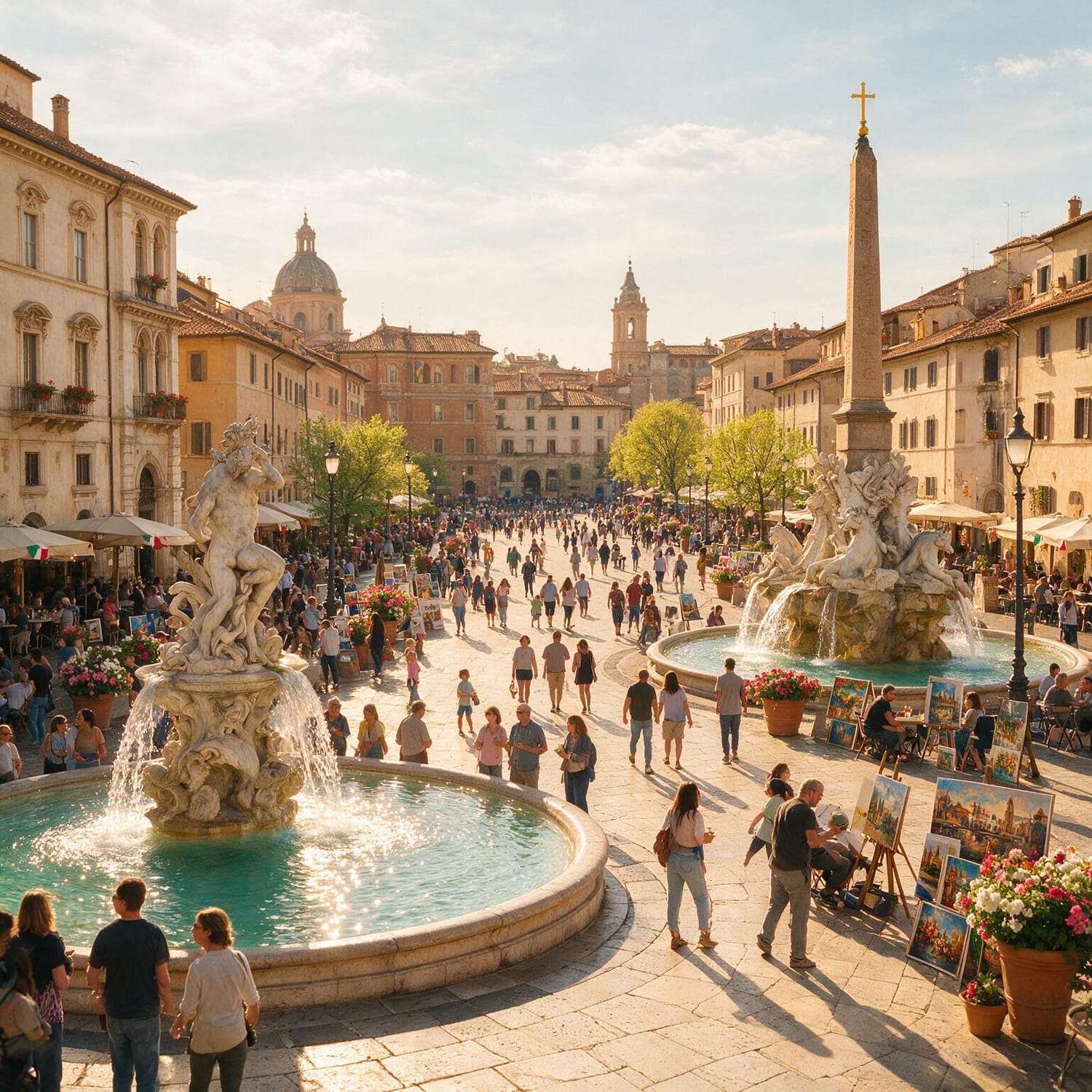
Spring (March–May)
Spring is one of the most popular times to visit Rome—and for good reason.
Temperatures are comfortable, flowers begin blooming throughout the city's parks and gardens, and outdoor cafés come alive after winter. Walking between famous landmarks like the Pantheon, Trevi Fountain, and Piazza Navona is much more enjoyable before the intense summer heat arrives.
Spring is also an excellent time to extend your cruise vacation by spending several days exploring Rome before traveling to Civitavecchia.
Pros
Comfortable daytime temperatures
Beautiful gardens and parks
Excellent weather for walking tours
Outdoor dining without extreme heat
Cons
Hotels become more expensive around Easter.
Popular attractions can still have long lines.
Advance reservations are recommended.
If you're planning to visit the Vatican Museums or the Colosseum, booking tickets well in advance is especially important during spring.
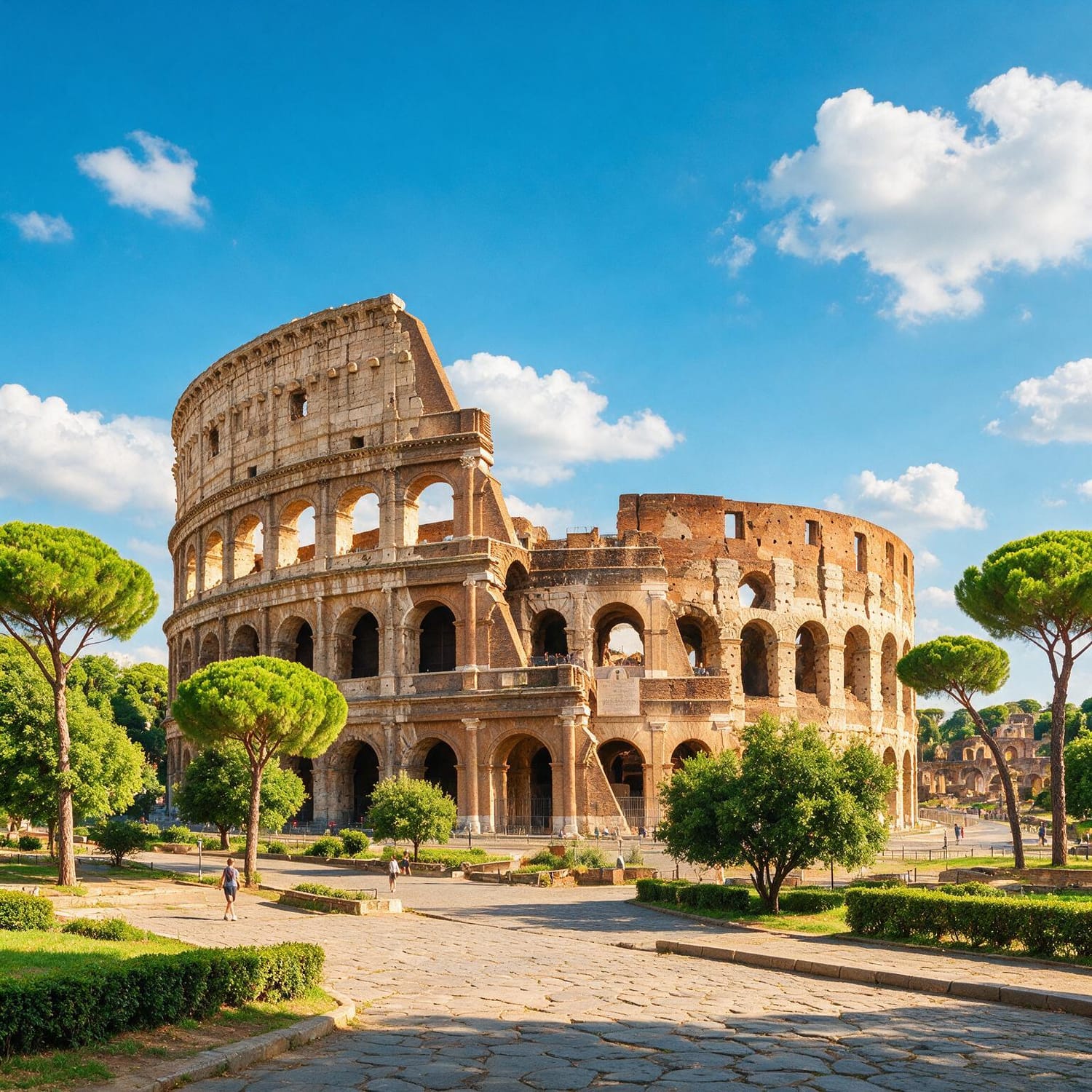
Summer (June–August)
Summer is the busiest tourist season in Rome.
Long daylight hours allow plenty of time to explore, but daytime temperatures frequently climb into the upper 80s and 90s (30–35°C).
Walking across ancient stone streets can become exhausting during the afternoon, especially for travelers not accustomed to the heat.
If your Mediterranean cruise sails during the summer, consider arriving several days early so you can sightsee at a slower pace rather than trying to fit everything into one busy day.
Many visitors plan outdoor attractions during the morning, enjoy a leisurely lunch indoors, then return to sightseeing later in the evening when temperatures begin to cool.
Fall (September–November)
Many experienced travelers consider fall the best overall time to visit Rome.
The intense summer heat begins to fade in September, making it much more comfortable to spend long days exploring historic neighborhoods, museums, and outdoor cafés.
October is especially popular because the weather remains pleasantly warm while tourist crowds begin to thin.
November brings cooler temperatures and noticeably fewer visitors. Hotel prices often become more affordable, making it an excellent choice for travelers who want to save money without sacrificing the Rome experience.
Pros
Comfortable sightseeing weather
Smaller crowds than summer
Beautiful autumn scenery
Better hotel values in late fall
Cons
September remains fairly busy.
November can bring occasional rain.
Daylight hours gradually become shorter.
For many cruise travelers, October offers one of the best combinations of weather, pricing, and crowd levels.
Winter (December–February)
Winter offers a completely different experience in Rome.
Instead of battling crowds, you'll often find quieter streets, shorter attraction lines, and significantly lower hotel prices after the Christmas and New Year holidays.
December is magical thanks to Christmas lights, holiday markets, and festive decorations throughout the city. January and February are typically the least crowded months, making them ideal for travelers who don't mind cooler temperatures.
Although snow is extremely rare, daytime temperatures usually range from the upper 40s to upper 50s (8–15°C), so packing a warm jacket is recommended.
Pros
Lowest hotel prices
Shorter attraction lines
Less crowded sightseeing
Beautiful holiday decorations in December
Cons
Cooler weather
Shorter daylight hours
Some outdoor cafés have limited seating
Winter can be an excellent option if your goal is to experience Rome at a slower pace before boarding your cruise.
Average Weather by Season
| Season | Average High | Crowds | Hotel Prices |
|---|---|---|---|
| Spring | 60–75°F (16–24°C) | Moderate–High | Moderate–High |
| Summer | 82–91°F (28–33°C) | Very High | Highest |
| Fall | 64–81°F (18–27°C) | Moderate | Moderate |
| Winter | 54–59°F (12–15°C) | Low | Lowest |
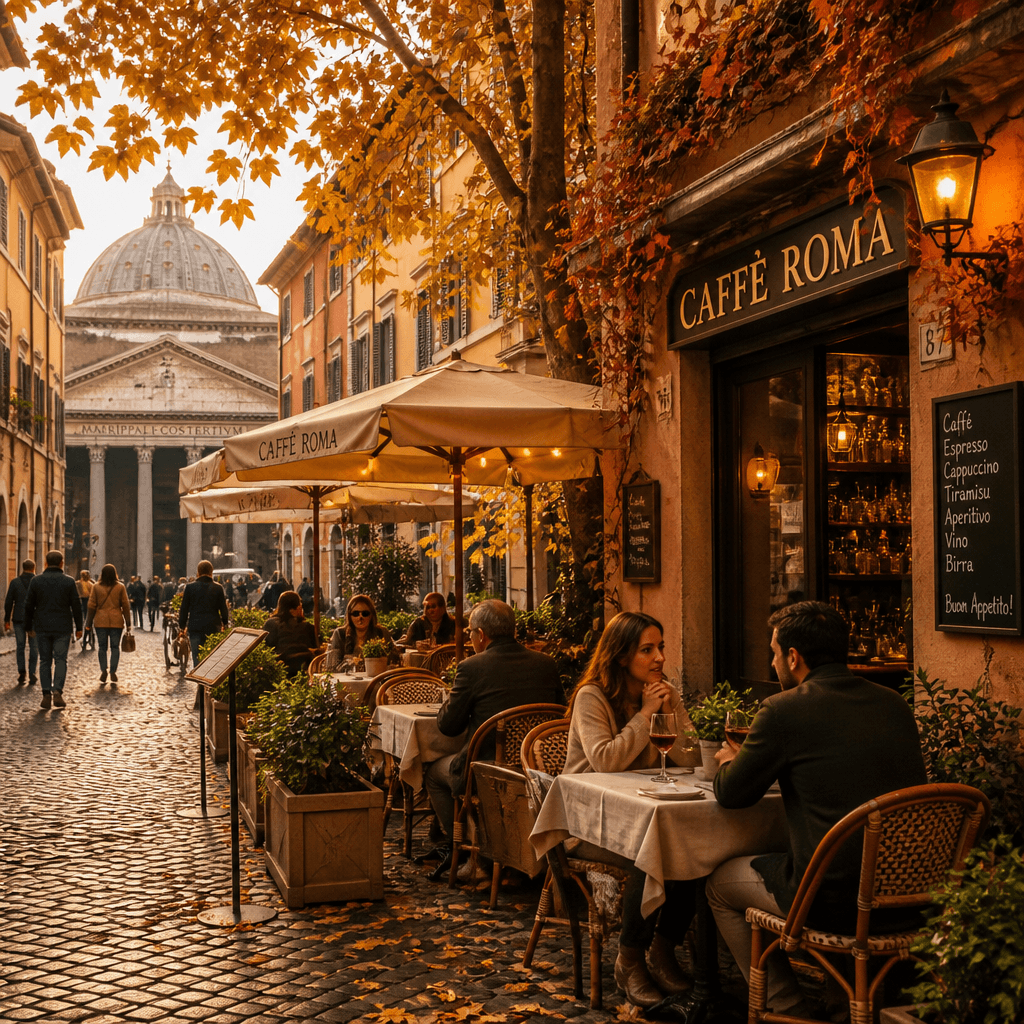
No matter when you visit, comfortable walking shoes are one of the most important items you'll pack. Rome's cobblestone streets can be beautiful, but they can also be tiring after several miles of sightseeing.
How Many Days Should You Spend in Rome Before Your Cruise?
Most cruise travelers find that 2–3 full days in Rome provides enough time to see the city's major highlights without feeling rushed.
If it's your first visit, you'll have time to explore attractions like:
The Colosseum
Roman Forum
Trevi Fountain
Pantheon
Piazza Navona
Spanish Steps
Vatican City
If you've visited Rome before, consider slowing down and exploring neighborhoods, local markets, rooftop restaurants, or lesser-known churches instead of trying to revisit every major attraction.
Giving yourself a few extra days before embarkation also provides peace of mind. Flight delays become far less stressful when you're already in Rome rather than trying to arrive on embarkation day.
Where to Stay Before Your Cruise
Most travelers choose one of two options:
Stay in Rome
If it's your first visit, staying in Rome allows you to experience the city's history, restaurants, museums, and famous attractions while enjoying a true Italian vacation before your cruise.
Stay Near Civitavecchia
If you've already visited Rome or have an early embarkation time, staying near the cruise port can make embarkation morning more relaxed and eliminate the need for an early transfer.
Not sure which hotel is right for you? Read our guide to Best Hotels Near the Rome Cruise Port: Where to Stay Before You Sail.
What to Pack for Rome by Season
Packing the right clothing can make your visit much more enjoyable, especially since you'll likely spend hours walking through historic neighborhoods, museums, and public squares.
Spring
Spring weather is generally mild, but temperatures can change throughout the day.
Pack:
Lightweight jacket
Comfortable walking shoes
Long pants or capris
Light sweaters
Small umbrella for occasional showers
Summer
Rome can become very hot during the summer months.
Pack:
Lightweight, breathable clothing
Sun hat
Sunglasses
Comfortable walking sandals or sneakers
Refillable water bottle
Sunscreen
If you plan to visit churches or Vatican City, remember that shoulders and knees should be covered inside many religious sites.
Fall
Fall offers comfortable sightseeing weather with cooler evenings.
Pack:
Light jacket
Sweaters
Comfortable walking shoes
Umbrella
Layers for changing temperatures
Winter
Winter is relatively mild compared to much of Europe, but mornings and evenings can feel chilly.
Pack:
Medium-weight jacket
Long pants
Closed-toe walking shoes
Sweaters
Light scarf and gloves
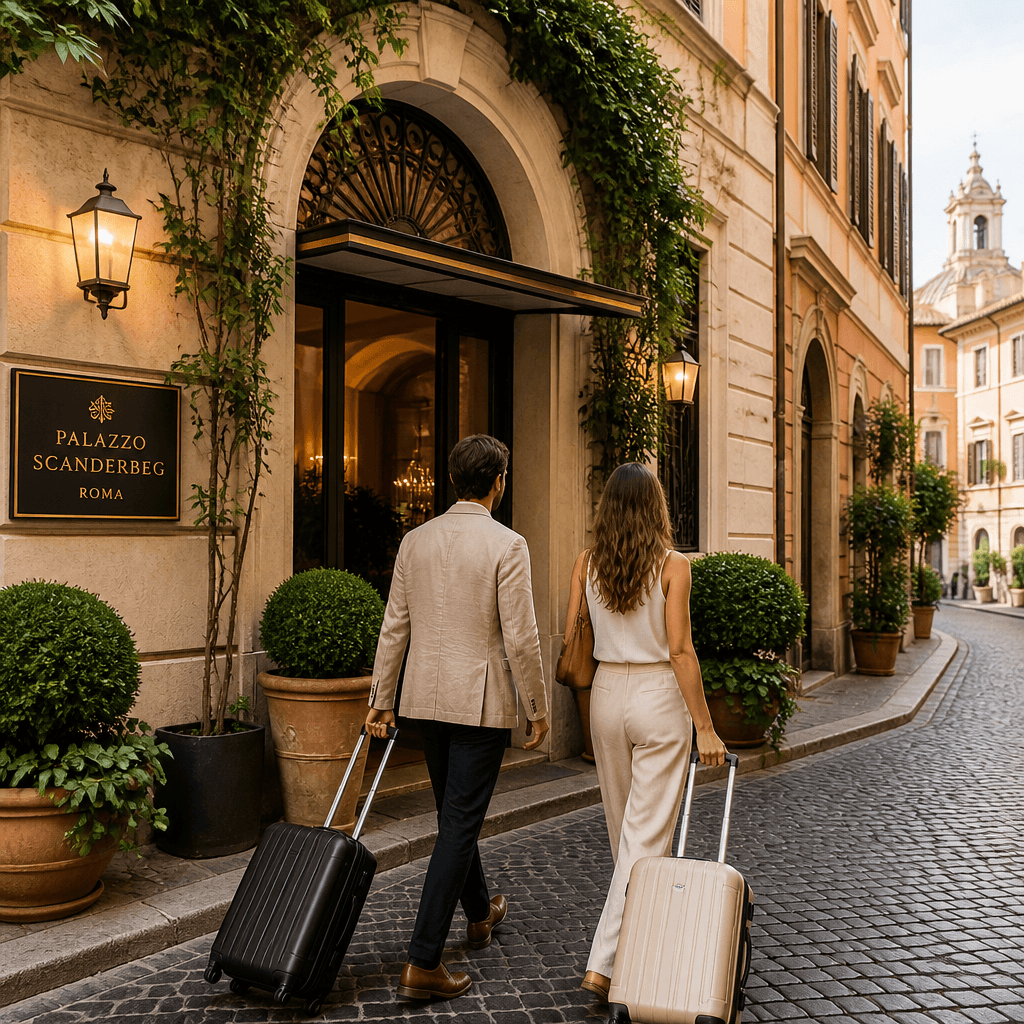
Helpful Tips for Visiting Rome Before Your Cruise
A little planning can make your visit much more enjoyable and help you start your cruise vacation stress-free.
Arrive at Least One Day Early
International flights don't always go as planned.
Arriving at least one day before embarkation gives you time to recover from jet lag and greatly reduces the risk of missing your cruise due to flight delays. If your schedule allows, spending two or three nights in Rome lets you explore the city at a relaxed pace.
Book Popular Attractions in Advance
Rome's most famous attractions often sell out weeks—or even months—ahead of time.
Reserve tickets early for attractions such as:
Colosseum
Vatican Museums
Sistine Chapel
Borghese Gallery
Advance reservations can save hours of waiting in line.
Wear Comfortable Walking Shoes
Rome is one of Europe's best walking cities.
Between cobblestone streets, uneven sidewalks, and historic stairways, you'll likely walk several miles each day. Comfortable, supportive shoes will make a huge difference.
Stay Hydrated
If you're visiting between late spring and early fall, carry a reusable water bottle.
Rome has hundreds of public drinking fountains called nasoni, where you can refill your bottle with cool drinking water throughout the city.
Plan Your Transportation to the Cruise Port
Although many itineraries advertise sailing from Rome, your ship will almost certainly depart from Civitavecchia, about 50 miles (80 km) northwest of the city.
Before embarkation day, decide how you'll travel to the port.
Popular options include:
Train
Private transfer
Taxi
Planning transportation in advance helps ensure a smooth, stress-free start to your cruise.
Need help deciding? Read our guide to Getting From Rome to Civitavecchia Cruise Port: Train, Taxi, or Private Transfer?
Browse Rome Tours Before You Go
Is Rome Worth Visiting Before Your Cruise?
Absolutely.
Rome is much more than a cruise embarkation city—it's one of the world's most unforgettable destinations. Whether you're standing inside the Colosseum, admiring the artwork of Vatican City, wandering through charming neighborhoods, or enjoying authentic Italian cuisine at a sidewalk café, Rome offers experiences you'll remember long after your cruise ends.
Arriving a day or two before embarkation lets you explore at a relaxed pace instead of worrying about making it to the ship on time. Many travelers say their time in Rome becomes one of the highlights of their entire Mediterranean vacation.
Frequently Asked Questions
What is the best month to visit Rome before a cruise?
For most travelers, May, September, and October offer the best balance of pleasant weather, manageable crowds, and comfortable sightseeing conditions.
Is Rome too hot during the summer?
Summer can be very warm, with daytime temperatures often reaching the upper 80s and 90s°F (30–35°C). If you're visiting in July or August, plan outdoor sightseeing for the morning or evening and spend the hottest part of the day enjoying museums, shopping, or lunch indoors.
How many days should I spend in Rome before my cruise?
Most travelers recommend spending 2–3 full days in Rome before sailing. This provides enough time to see the city's most famous attractions while giving yourself a buffer in case of flight delays.
Should I stay in Rome or near the cruise port?
If it's your first visit to Italy, staying in Rome is usually the better choice because you'll have easy access to the city's historic landmarks, restaurants, and museums.
If you've already explored Rome or have an early embarkation time, staying near the Port of Civitavecchia may be more convenient.
Do I need to buy attraction tickets in advance?
Yes. Popular attractions such as the Colosseum and Vatican Museums frequently sell out, especially during spring, summer, and early fall. Booking tickets ahead of time can save hours of waiting in line.
Final Thoughts
There's truly no bad time to visit Rome, but choosing the right season can make your vacation even more enjoyable.
For most cruise travelers, spring and fall provide the perfect combination of comfortable weather, beautiful scenery, and ideal sightseeing conditions. If saving money is your priority, winter offers lower hotel prices and fewer crowds. Summer remains popular thanks to long daylight hours, although you'll need to plan around the heat.
No matter when you visit, arriving in Rome before your cruise gives you the opportunity to experience one of the world's greatest cities without the stress of embarkation day. It's an investment in your vacation that many travelers say is well worth making.
If you're still planning your Mediterranean cruise, compare current itineraries and prices through CruiseDirect before booking. You can also browse Viator for tours and experiences to help you make the most of your time in Rome before setting sail.
Related Articles
Getting From Rome to Civitavecchia Cruise Port: Train, Taxi, or Private Transfer?
What to Pack for a Mediterranean Cruise
Mediterranean Cruise Packing List
First-Time Mediterranean Cruise Tips
Affiliate Disclosure: This article may contain affiliate links. If you make a purchase, book a cruise, or book a travel-related service through these links, I may earn a commission at no additional cost to you. As an Amazon Associate, I earn from qualifying purchases. Thank you for supporting Cruising Style.